
NTT Inc. - Blog - National Electric Code - NESC in the Field: Helping Teams Connect On-Site Conditions to the Code
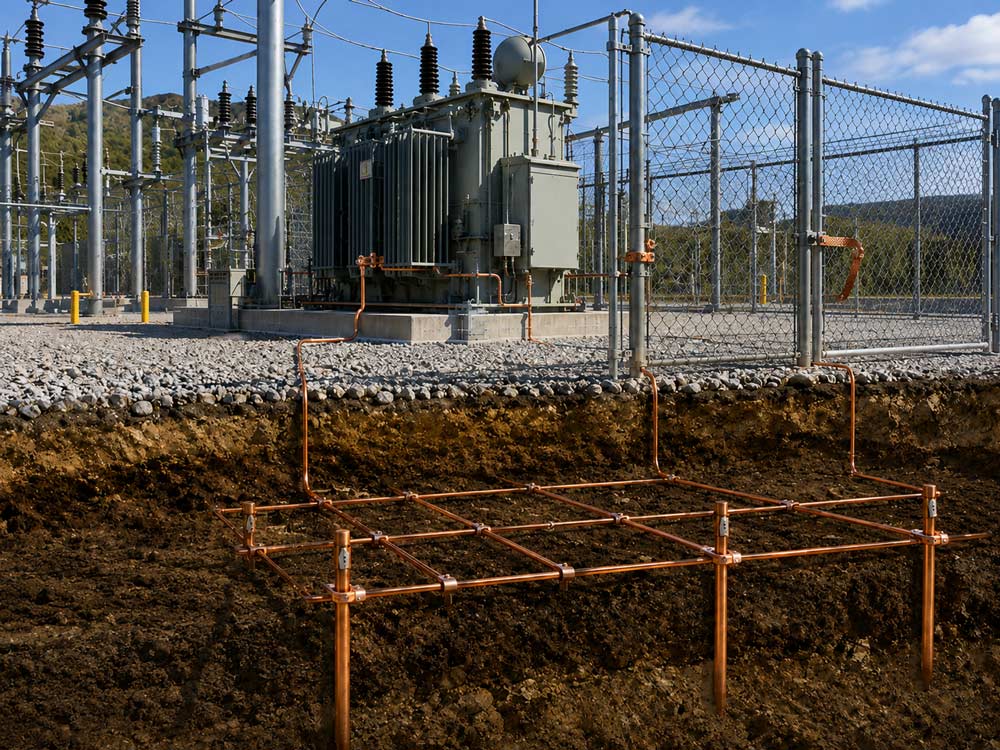
Here are some prompts to support NESC awareness and assess your team’s understanding of the code.
Start with four common field environments: electric supply stations, overhead supply lines, underground supply lines, and grounding and bonding.
Supply stations may include transformers, regulators, conductors, breakers, switches, switchgear, grounding, barriers, and access controls.
Prompt
What equipment is present, who is authorized to access it, and which NESC topic should be reviewed before work decisions are made?
Overhead line observations often involve clearances, road crossings, building proximity, parking areas, pedestrian areas, grades of construction, and structural loading.
Prompt
What is below or near the line, and what information is needed to locate the applicable clearance or construction requirement?
Underground systems may involve conduit, direct buried cable, vaults, manholes, handholes, covers, excavation, backfill, separation, grounding, and nearby facilities.
Prompt
What underground asset is involved, what site conditions are present, and what drawings, measurements, or reviews are needed?
Grounding and bonding observations may involve visible conductors, electrodes, shields, sheaths, equipment frames, riser guards, and other conductive parts.
Prompt
What can be verified by observation, and what requires qualified review before the condition is accepted?
These discussions help employees connect on-site conditions to relevant code topics while giving managers insight into how teams approach unfamiliar situations.
Consistent reporting and documentation can be difficult to achieve when employees have different levels of field and code experience. Newer employees may not always know which standard applies, and provide supervisors with field notes that lack the detail needed to support informed decisions. As a result, teams may have to spend more time clarifying observations before they can move on to the next step.
Group discussions can help teams develop a shared understanding of the NESC and a consistent approach to reviewing conditions, identifying applicable code topics, and determining next steps.
Utility teams benefit from a shared framework for discussing field conditions, identifying relevant code topics, and communicating observations clearly. When teams use a consistent process to discuss field conditions, supervisors often receive more complete information, engineering reviews move more efficiently, and employees can spend less time trying to find information in the codebook.
NTT Training’s NESC National Electrical Safety Code 8-Hour course is designed for that purpose. It provides a focused overview of the code, guidance on how to properly navigate it, and scenario-based discussion to tie it to on-the-job responsibilities.
The 8-hour format is especially useful for teams that need an introduction, refresher, or shared baseline across job roles. It helps employees build a practical understanding of how the code applies to their work.
For teams that need deeper technical application, you may consider our three-day NESC course.
If your team needs a practical introduction to the NESC or a consistent framework for discussing field conditions, focused training can help establish a common understanding across job roles.
To discuss scheduling options for NESC – National Electrical Safety Code (8‑Hr), contact NTT Training at 303-649-9980 or visit www.nttinc.com.
Empower your team with current NESC knowledge to ensure compliance, safety, and inspection readiness.